Embracing Strength: The Wisdom of Discernment
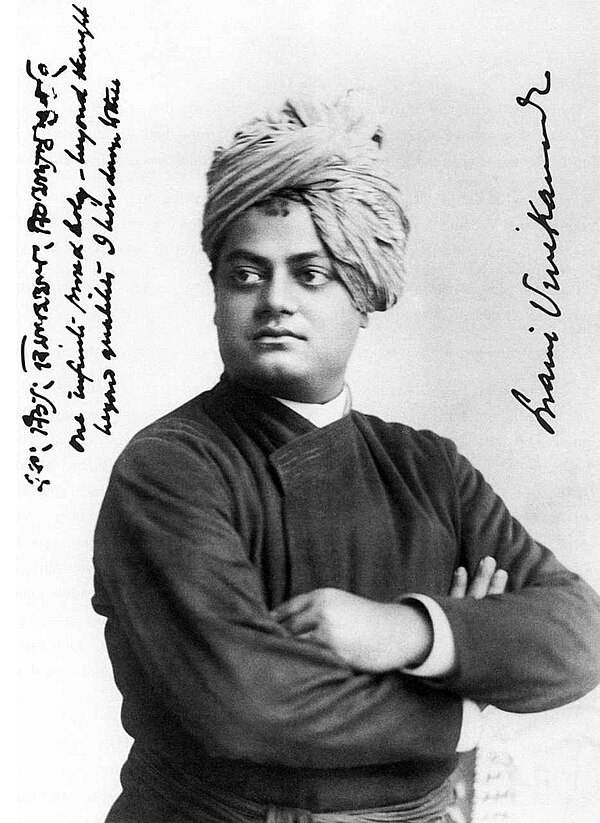
Swami Vivekananda's assertion that "Anything that makes you weak — physically, intellectually, and spiritually, reject as poison" serves as a clarion call for discernment in our lives. This quote invites us to critically evaluate the influences we allow into our existence, urging us to cultivate strength in all dimensions of our being. In a world rife with distractions and negativity, the stakes are high; our ability to thrive hinges on our capacity to recognize and eliminate that which diminishes us.
To reject what weakens us is not merely an act of avoidance; it is an active engagement with our own well-being. This teaching encourages us to take responsibility for our inner landscape, fostering a sense of agency in our choices. By discerning the sources of our strength and weakness, we embark on a journey toward holistic empowerment, aligning our lives with the principles of vitality and resilience.
The image / the metaphor
The imagery in Vivekananda's quote is striking, evoking a visceral reaction to the idea of poison. The word "poison" conjures images of toxicity, decay, and danger, suggesting that weakness is not just an inconvenience but a threat to our very essence. The verbs "makes" and "reject" imply an active process; we are not passive recipients of our circumstances but rather agents of change who must consciously choose what to embrace and what to discard.
Diving deeper into the metaphor, we can see that weakness manifests in various forms—physical lethargy, intellectual stagnation, and spiritual disconnection. Each of these aspects is interconnected, and allowing one to weaken can lead to a cascading effect on the others. Thus, the act of rejecting weakness becomes a holistic endeavor, a commitment to nurturing strength across all facets of our lives.
In the speaker's tradition
Swami Vivekananda's teachings are deeply rooted in the Hindu tradition, where concepts such as dharma (righteous duty) and prajna (wisdom) play pivotal roles. The idea of rejecting weakness aligns with the pursuit of dharma, which encourages individuals to act in accordance with their true nature and higher purpose. In this context, discernment becomes a vital tool for navigating the complexities of life, allowing us to align our actions with our spiritual and ethical values.
In the Bhagavad Gita, a foundational text in Hindu philosophy, Lord Krishna advises Arjuna to rise above weakness and confusion, urging him to embrace his warrior spirit. This call to action resonates with Vivekananda's message, emphasizing that true strength lies in the ability to discern one's path and act upon it with conviction. Both teachings remind us that the journey toward self-realization requires us to confront and reject that which diminishes our potential.
Living the teaching
Consider a modern scenario where this teaching might resonate: a professional environment filled with negativity and competition. In such a setting, one might feel drained, both emotionally and intellectually. By applying Vivekananda's wisdom, an individual could choose to distance themselves from toxic colleagues or unproductive conversations, thereby reclaiming their energy and focus. This conscious decision to reject what weakens them can lead to a more fulfilling and productive work experience.
Another application of this teaching can be found in personal relationships. Imagine a friendship that consistently leaves you feeling inadequate or anxious. By recognizing the detrimental impact of this relationship, one may choose to set boundaries or even sever ties, prioritizing their emotional and spiritual well-being. This act of discernment not only fosters personal growth but also opens the door to healthier, more supportive connections.
A reflection
As we contemplate Vivekananda's profound insight, we are invited to reflect on our own lives: What are the sources of weakness that we have allowed to persist? In what ways can we cultivate the discernment necessary to reject these influences and embrace strength? This inquiry not only deepens our understanding of the quote but also empowers us to take actionable steps toward a more vibrant existence.