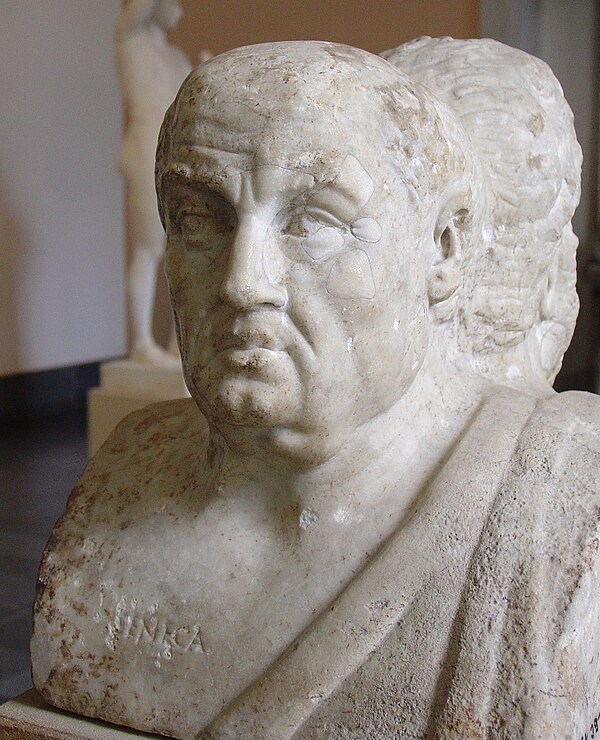
Conquering Death: The Stoic Path to Mastery
Seneca's assertion that "He who hath, while living, prepared himself for death, hath conquered death" invites us to contemplate the profound relationship between life and death. In essence, he suggests that those who actively engage with the reality of their mortality can transcend the fear and anxiety that often accompany it. This perspective is not merely a philosophical exercise; it is a call to live with intention and awareness, recognizing that our time is finite and precious.
In a world that often shies away from discussions of death, Seneca's words resonate with a stark clarity. They challenge us to confront our mortality head-on, to prepare ourselves not just for the inevitable end, but for a life lived fully in the face of that truth. By embracing this preparation, we can cultivate a sense of mastery over our fears, transforming the specter of death from a source of dread into a catalyst for a more meaningful existence.
The image / the metaphor
At the heart of Seneca's quote lies a vivid metaphor that evokes the act of preparation as a form of mastery. The verbs "hath prepared" and "hath conquered" suggest a dynamic interplay between action and outcome. To prepare for death is not a passive endeavor; it requires active engagement with our thoughts, emotions, and the choices we make in life. The imagery conjures a sense of readiness, as if one is donning armor for a battle that is both inevitable and transformative.
Diving deeper into this metaphor, we can see that preparation for death is akin to cultivating a garden of virtues. Just as a gardener tends to their plants, nurturing them to flourish, so too must we nurture our understanding of life and death. This preparation involves introspection, ethical living, and the development of resilience. In this way, conquering death becomes less about the physical act of dying and more about how we choose to live in the face of that reality.
In the speaker's tradition
Seneca's thoughts on death are deeply rooted in Stoic philosophy, which emphasizes the importance of virtue, rationality, and acceptance of the natural order of the universe. Central to Stoicism is the concept of "amor fati," or love of fate, which encourages individuals to embrace their circumstances, including death, as essential parts of life. This acceptance aligns with other spiritual traditions that advocate for a similar understanding of mortality, such as the Buddhist concept of "anicca," or impermanence, which teaches that all things are transient and thus should be appreciated in their fleeting nature.
In his "Letters to Lucilius," Seneca often reflects on the nature of death, urging his readers to view it not as an end but as a natural transition. For instance, in Letter 30, he writes about the importance of living each day as if it were our last, a sentiment echoed in many philosophical and spiritual texts. This perspective invites us to cultivate a sense of urgency and purpose in our lives, reminding us that the mastery of death is intricately linked to the mastery of life itself.
Living the teaching
Consider a modern scenario where this teaching might resonate: a person diagnosed with a terminal illness. Faced with the reality of their mortality, they may choose to reflect on their life, reconcile relationships, and express their feelings openly. This preparation for death can lead to a profound transformation, allowing them to live their remaining days with authenticity and purpose, rather than succumbing to despair. In this way, the act of preparing for death becomes a means of reclaiming agency over their life.
Another application of Seneca's teaching can be found in our daily interactions and relationships. Imagine a conflict with a loved one that feels insurmountable. By contemplating the impermanence of life and the inevitability of death, one might approach the situation with greater compassion and understanding. This perspective encourages us to prioritize connection and forgiveness, recognizing that our time together is limited. In this way, the preparation for death informs how we choose to engage with others, fostering deeper, more meaningful relationships.
A reflection
As we reflect on Seneca's profound insight, we are invited to consider how we are preparing for our own mortality. What steps can we take today to cultivate a deeper understanding of life and death? In what ways can we embrace the reality of our impermanence to enrich our experiences and relationships? These contemplative questions serve as a guide, encouraging us to live with intention and to master the art of living fully in the face of death.