Embracing Mortality: The Path to a Life Worth Living
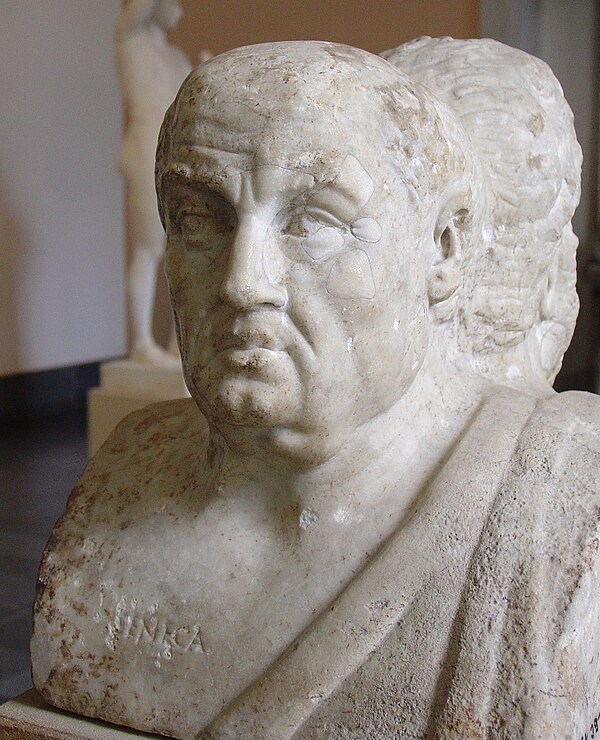
Seneca's profound assertion, "He who fears death will never do anything worthy of a man who is alive," invites us to confront the shadow of mortality that looms over our existence. In essence, he suggests that a paralyzing fear of death can inhibit our capacity to live fully and authentically. This notion is not merely a philosophical musing; it is a call to action, urging us to transcend our fears and embrace the vibrancy of life. The stakes are high, as our relationship with death profoundly shapes our engagement with the world around us.
To delve deeper, we must recognize that fear of death often manifests as a fear of the unknown, a reluctance to engage with the impermanence that defines our lives. This fear can lead to a life half-lived, where opportunities for growth, connection, and courage are stifled. Seneca's words challenge us to reconsider our relationship with mortality, suggesting that true courage lies not in the avoidance of death, but in the embrace of life’s fleeting nature. By acknowledging our mortality, we can unlock the potential for a life rich in purpose and meaning.
The image / the metaphor
At the heart of Seneca's quote lies a vivid imagery that juxtaposes life and death, encapsulating the tension between existence and non-existence. The verbs "fears" and "do" evoke a sense of agency and action, suggesting that fear can be a formidable barrier to meaningful engagement. The phrase "worthy of a man who is alive" implies that living with intention and courage is a hallmark of true humanity. This imagery compels us to reflect on how our fears can inhibit our actions, leading to a life characterized by hesitation rather than boldness.
Diving deeper into the metaphor, we can see that death serves as a catalyst for life. By recognizing the inevitability of our mortality, we are invited to live with urgency and authenticity. The fear of death can create a paralysis that stifles creativity and ambition, while the acceptance of our finite nature can inspire us to pursue our passions and dreams with vigor. In this light, Seneca’s words become a powerful reminder that life is not merely to be endured, but to be embraced fully, with all its complexities and uncertainties.
In the speaker's tradition
Seneca's philosophy is deeply rooted in Stoicism, a tradition that emphasizes the importance of virtue, reason, and acceptance of the natural order of the universe. Central to Stoic thought is the concept of *apatheia*, or freedom from passion, which encourages individuals to cultivate an inner resilience against the vicissitudes of life, including death. This aligns with the broader philosophical themes found in other traditions, such as *dharma* in Buddhism, which speaks to the importance of living in accordance with one’s true nature and purpose, undeterred by fear.
In his letters, Seneca often draws upon the idea of *memento mori*, or the remembrance of death, as a means to cultivate a life of virtue. This concept resonates with the teachings of other philosophical and spiritual traditions that advocate for mindfulness of mortality. For instance, the Buddhist notion of *anicca*, or impermanence, encourages practitioners to embrace the transient nature of life, fostering a sense of urgency to live meaningfully. Seneca’s insights, therefore, are not isolated; they echo a universal truth found across various wisdom traditions that advocate for a courageous engagement with life.
Living the teaching
Consider a modern scenario where this teaching resonates: a young professional hesitates to pursue a dream job due to the fear of failure and the uncertainty of change. This fear, rooted in a preoccupation with potential outcomes, can lead to stagnation and regret. By internalizing Seneca's wisdom, this individual might recognize that the fear of death—of missed opportunities and unfulfilled potential—can be a powerful motivator to take risks. Embracing the possibility of failure as part of the journey can transform fear into a catalyst for growth, leading to a more vibrant and fulfilling career.
In the realm of relationships, the fear of vulnerability often prevents individuals from expressing their true feelings. A person may hold back from confessing love or reconciling differences due to the fear of rejection or loss. However, by reflecting on Seneca's teaching, one might realize that the fear of death—of a relationship unfulfilled or a connection never deepened—can inspire courageous honesty. This willingness to embrace vulnerability can lead to deeper connections and a more authentic expression of love, ultimately enriching the human experience.
A reflection
As we contemplate Seneca's poignant words, we are invited to reflect on our own relationship with mortality. What fears hold you back from living fully? In what ways might embracing the impermanence of life empower you to act with greater courage and authenticity? Allow these questions to guide your introspection, as you consider how the acceptance of death can illuminate the path to a life rich in purpose and meaning.