Awakening to the Essence of Self
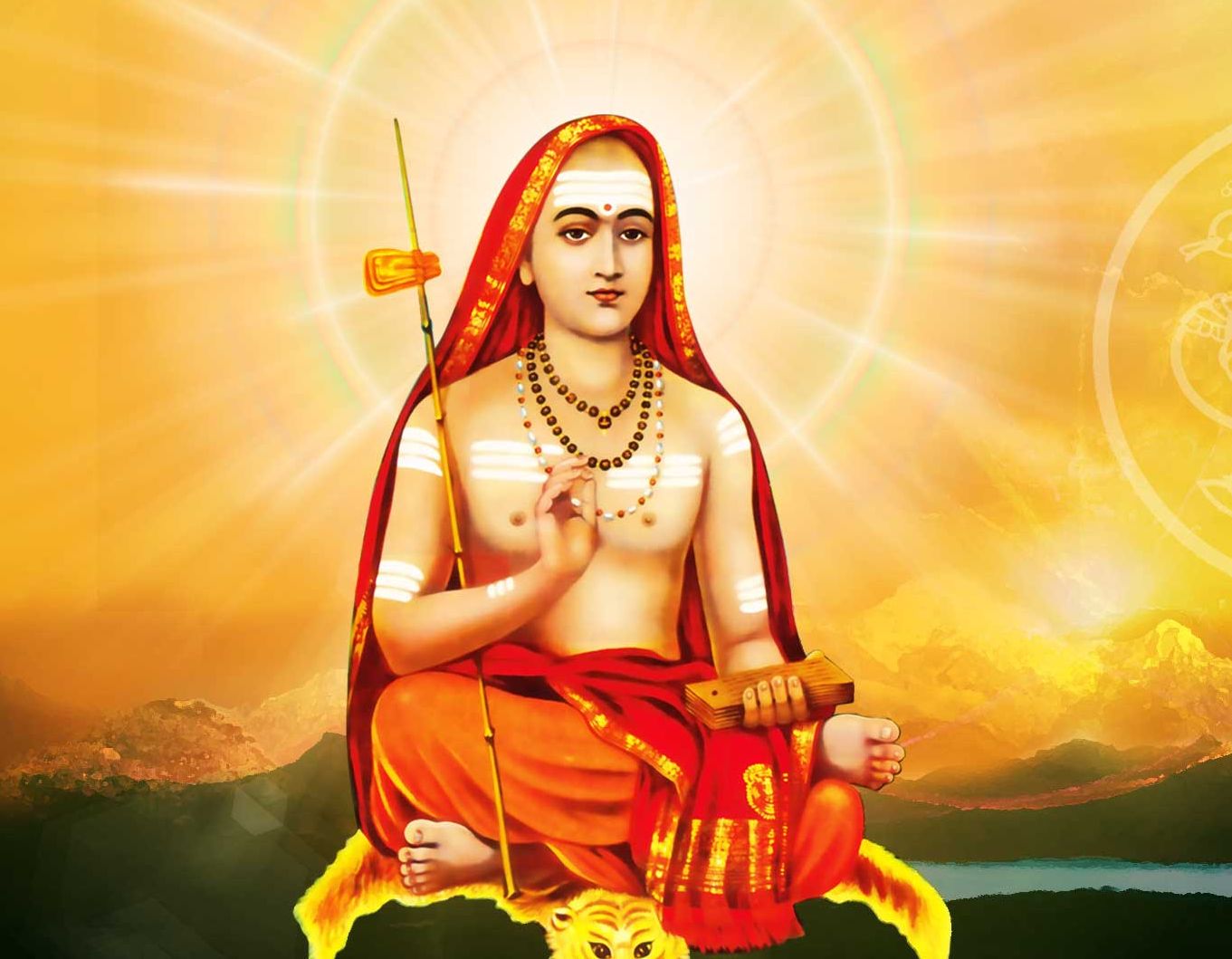
In the profound words of Adi Shankara, "The self is not in the body; the body is in the self." This statement invites us to reconsider our understanding of identity and existence. It challenges the conventional notion that our physical form defines who we are, urging us instead to explore the deeper layers of consciousness that constitute our true essence. This exploration is not merely an intellectual exercise; it holds the potential to transform our experience of life, leading us toward a more authentic and liberated state of being.
Shankara's assertion serves as a reminder that our true nature transcends the limitations of the physical body. In a world often preoccupied with appearances and material possessions, this teaching beckons us to look inward, to recognize that our essence is boundless and interconnected with the universe. By shifting our focus from the transient to the eternal, we can cultivate a deeper understanding of ourselves and our place in the cosmos, ultimately awakening to a profound sense of truth and clarity.
The image / the metaphor
The imagery in Shankara's quote evokes a powerful shift in perspective. When he states that "the self is not in the body," he suggests that our identity is not confined to our physical form or the roles we play in life. Instead, the phrase "the body is in the self" implies that our physical existence is a manifestation of a deeper, more expansive consciousness. This inversion of perspective invites us to feel the vastness of our being, as if we are the ocean and our bodies are but waves rising and falling upon its surface.
Diving deeper into this metaphor, we can appreciate the implications of recognizing ourselves as the ocean rather than the wave. The wave is transient, subject to the whims of the wind and the tides, while the ocean remains constant and unchanging. This understanding encourages us to detach from the fleeting nature of our physical experiences and to embrace the eternal aspect of our consciousness. In doing so, we can cultivate a sense of peace and stability, even amidst the chaos of life.
In the speaker's tradition
Adi Shankara's teachings are rooted in the Advaita Vedanta tradition, which emphasizes non-duality and the oneness of existence. Central to this philosophy is the concept of Brahman, the ultimate reality that transcends all forms and distinctions. Shankara's assertion aligns with the idea of dharma, which encourages individuals to recognize their true nature and live in accordance with it. By understanding that the self is not limited to the body, we can begin to embody the principles of compassion, wisdom, and interconnectedness that are essential to living a life of dharma.
In the context of Shankara's work, this quote resonates with the teachings found in texts such as the Upanishads, which explore the nature of consciousness and the relationship between the individual self (Atman) and the universal self (Brahman). For instance, the Chandogya Upanishad states, "Tat tvam asi," meaning "That thou art," which reinforces the idea that our true essence is not separate from the divine. This interconnectedness invites us to awaken to the truth of our being, transcending the illusion of separateness that often defines our experience.
Living the teaching
Consider a modern scenario where this teaching can be applied: a person grappling with self-image issues. In a society that often equates worth with physical appearance, one might feel trapped in a cycle of comparison and dissatisfaction. By reflecting on Shankara's words, this individual can begin to shift their focus from the superficial aspects of their identity to the deeper, unchanging essence of who they are. This shift can lead to a profound sense of liberation, allowing them to embrace their uniqueness and inherent worth beyond societal standards.
Another application of this teaching can be found in relationships. When conflicts arise, it is easy to become entangled in the roles we play—partner, friend, colleague—losing sight of our shared humanity. By remembering that the body is merely a vessel for the self, we can approach disagreements with greater empathy and understanding. This perspective encourages us to see beyond the surface, fostering deeper connections that honor the essence of each individual involved.
A reflection
As we contemplate Shankara's profound insight, we are invited to ask ourselves: "In what ways do I identify with my body or external circumstances, and how might this limit my understanding of my true self?" This question encourages us to explore the layers of our identity, prompting a deeper inquiry into the nature of consciousness and existence. By engaging with this reflection, we can begin to peel away the layers of illusion and awaken to the truth of our being, ultimately leading us toward a more authentic and fulfilling life.





Join the BrightStar Community
Stay connected with daily inspiration, event announcements, and community wisdom