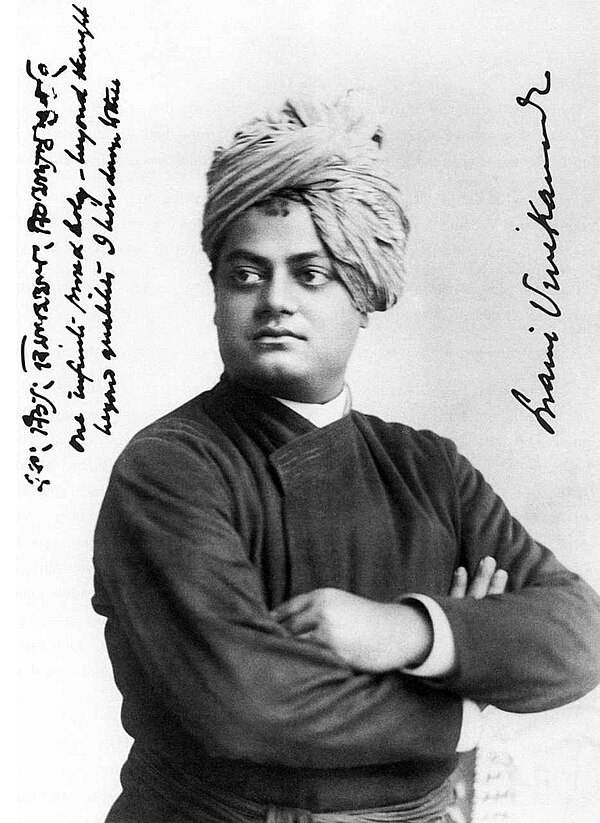
The Power of Self-Determination
Swami Vivekananda's assertion that "We are responsible for what we are; and whatever we wish ourselves to be, we have the power to make ourselves" encapsulates a profound truth about the nature of human existence. It speaks to the essence of personal responsibility and the transformative potential inherent within each individual. In a world often marked by external circumstances and societal pressures, this quote serves as a reminder that our identity and future are not merely products of our environment but are shaped by our own choices and intentions.
This notion of self-creation is not only empowering but also daunting, as it places the onus of change squarely on our shoulders. It invites us to reflect on our current state and challenges us to envision who we aspire to become. The stakes are high; to embrace this teaching is to acknowledge that we possess the agency to redefine our lives, to rise above our limitations, and to cultivate the qualities we desire. In doing so, we embark on a journey of self-discovery and growth that can lead to profound fulfillment.
The image / the metaphor
The imagery in Vivekananda's quote evokes a sense of active engagement with life. The verbs "are" and "wish" suggest a dynamic interplay between our current state and our aspirations. The phrase "we have the power to make ourselves" conveys a sense of agency, as if we are sculptors of our own existence, capable of chiseling away at the raw material of our lives to reveal a more refined version of ourselves. This metaphor of self-sculpting invites us to consider the tools we possess—our thoughts, intentions, and actions—as instruments of transformation.
In the speaker's tradition
Swami Vivekananda's teachings are deeply rooted in the Hindu tradition, which emphasizes the concepts of dharma and self-realization. Dharma, often translated as duty or righteousness, calls upon individuals to act in accordance with their true nature and responsibilities. This aligns with Vivekananda's assertion that we are responsible for our own identities; our actions must reflect our highest values and aspirations. The idea of self-creation resonates with the Hindu understanding of the self (atman) as a divine essence capable of realizing its potential through conscious effort and ethical living.
In the context of Vivekananda's work, we can draw parallels to the Bhagavad Gita, where Lord Krishna imparts wisdom to Arjuna about the importance of selfless action and the pursuit of one's true calling. The Gita teaches that by aligning our actions with our higher purpose, we can transcend the limitations of our ego and experience a deeper connection to the universe. This notion of self-actualization through responsible action is a cornerstone of Vivekananda's philosophy, reinforcing the idea that we have the power to shape our destinies.
Living the teaching
Consider a modern scenario where an individual feels trapped in a career that does not resonate with their passions or values. This person may often lament their situation, feeling powerless to effect change. However, by embracing Vivekananda's teaching, they can recognize that they hold the key to their transformation. Through self-reflection and intentional action, they can begin to explore new opportunities, acquire new skills, and ultimately transition into a role that aligns more closely with their true self. This journey of self-discovery not only empowers them but also enriches their contributions to the world.
In the realm of relationships, this teaching can manifest in the way we approach conflicts or misunderstandings. Instead of blaming others for our emotional responses, we can take responsibility for our feelings and reactions. By cultivating self-awareness and practicing empathy, we can transform our interactions, fostering deeper connections and understanding. This shift in perspective allows us to create healthier dynamics, illustrating how the power to shape our relationships lies within our own choices and attitudes.
A reflection
As we contemplate Swami Vivekananda's profound words, we are invited to engage in a moment of introspection. What aspects of your life do you feel are shaped by external circumstances, and how might you reclaim your agency in those areas? Reflecting on this question can illuminate pathways for personal growth and transformation, guiding you toward the realization of your highest self.



Join the BrightStar Community
Stay connected with daily inspiration, event announcements, and community wisdom