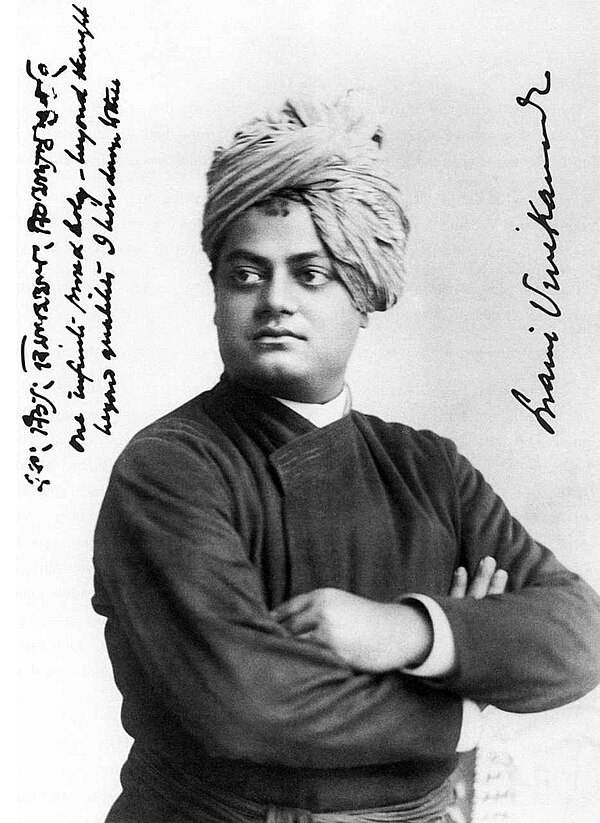
The Wisdom of Rebirth: A Journey Beyond Cycles
Swami Vivekananda's assertion, "The fool will have his rebirth; the wise will not," invites us to reflect deeply on the nature of wisdom and the cycles of existence. In this statement, Vivekananda contrasts the experiences of the fool and the wise, suggesting that the former is bound to repeat the lessons of life, while the latter transcends them. This distinction is not merely about intelligence or knowledge; it speaks to a profound understanding of the self and the universe. The stakes are high, as this wisdom offers a pathway to liberation from the cycles of suffering and rebirth, a central theme in Hindu philosophy.
To grasp the full weight of Vivekananda's words, we must explore the implications of wisdom in the context of spiritual growth. Wisdom, in this sense, is not just the accumulation of knowledge but a transformative realization that leads to freedom from the karmic cycles that bind us. The wise individual, through introspection and understanding, recognizes the transient nature of existence and the interconnectedness of all life. This awareness fosters a sense of liberation, allowing one to navigate life with grace and purpose, rather than being ensnared by ignorance and desire.
The image / the metaphor
The imagery in Vivekananda's quote evokes a vivid contrast between two states of being: that of the fool and the wise. The term "rebirth" conjures the cyclical nature of life, reminiscent of the Hindu concept of samsara, where souls are reborn in various forms based on their actions. The verb "will have" implies inevitability for the fool, suggesting a lack of agency and awareness, while the wise are portrayed as having the power to transcend this cycle. This distinction creates a felt sense of urgency, urging us to seek wisdom as a means of liberation.
Diving deeper into the metaphor, we can see that rebirth symbolizes not just physical reincarnation but also the repetitive patterns of thought and behavior that keep us trapped in cycles of suffering. The fool, unaware of their ignorance, continues to make choices that lead to further entanglement in worldly desires. In contrast, the wise individual recognizes these patterns and chooses a path of self-awareness and understanding, breaking free from the chains of habitual existence. This metaphor serves as a powerful reminder of the importance of introspection and the pursuit of deeper truths.
In the speaker's tradition
Swami Vivekananda's teachings are deeply rooted in the rich tapestry of Hindu philosophy, where concepts such as dharma, karma, and moksha play pivotal roles. Dharma, or righteous living, guides individuals toward fulfilling their responsibilities while cultivating wisdom. The wise, in this context, are those who align their actions with their higher purpose, transcending the need for rebirth through the realization of their true nature. This understanding echoes the idea of kenosis, or self-emptying, where one relinquishes ego-driven desires to embrace a more profound connection with the universe.
In the Bhagavad Gita, a foundational text in Hindu philosophy, Lord Krishna imparts wisdom to Arjuna, emphasizing the importance of understanding one's duty and the transient nature of life. The Gita teaches that those who attain self-realization and act without attachment to the fruits of their actions are liberated from the cycle of birth and death. This aligns seamlessly with Vivekananda's assertion, reinforcing the notion that wisdom leads to freedom from the repetitive cycles of existence.
Living the teaching
Consider a modern scenario where this teaching resonates: an individual caught in a cycle of unfulfilling jobs, relationships, or habits. Each choice seems to lead to a similar outcome, creating a sense of frustration and despair. The fool in this situation may continue to blame external circumstances, unaware of the patterns they perpetuate. However, the wise individual takes a step back, reflecting on their choices and the underlying motivations driving them. By cultivating self-awareness and seeking deeper understanding, they can break free from this cycle, making conscious decisions that align with their true self.
In the realm of relationships, this teaching can manifest in how we respond to conflict. The fool may react impulsively, repeating patterns of blame and defensiveness, which only serve to perpetuate misunderstandings. In contrast, the wise individual approaches conflict with a sense of curiosity and openness, seeking to understand the other person's perspective. This shift in approach not only fosters healthier relationships but also allows for personal growth and transformation, illustrating the profound impact of wisdom in our daily lives.
A reflection
As we contemplate Swami Vivekananda's profound words, we are invited to reflect on our own lives: Are we caught in cycles of ignorance, or are we actively seeking wisdom to guide our choices? What patterns do we recognize that may be holding us back from experiencing true freedom? In this moment of introspection, let us ask ourselves: How can I cultivate a deeper understanding of my actions and their consequences to break free from the cycles that bind me?



Join the BrightStar Community
Stay connected with daily inspiration, event announcements, and community wisdom