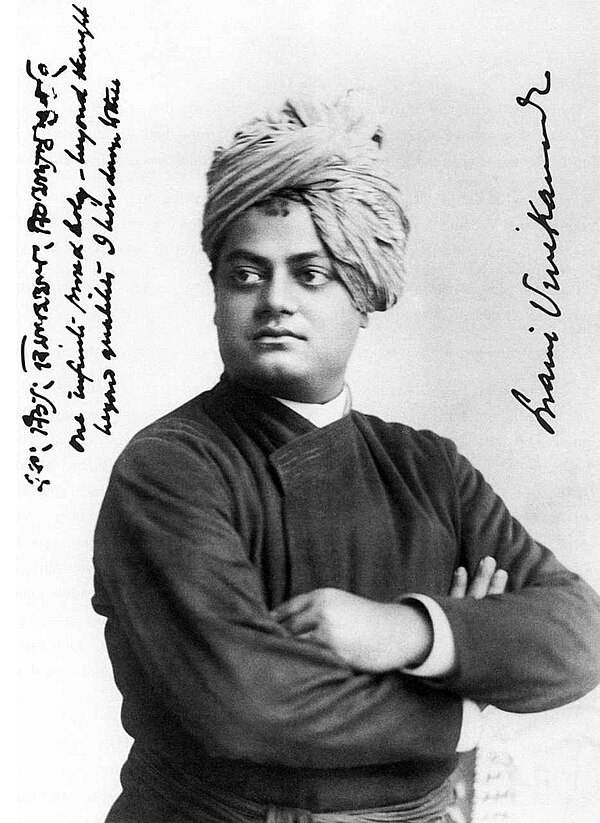
The Joyful Path of Spiritual Awakening
Swami Vivekananda's assertion that "the first sign of your becoming religious is that you are becoming cheerful" invites us to reconsider the essence of spirituality. In a world often marked by cynicism and despair, this statement serves as a beacon, suggesting that true religious experience is intrinsically linked to joy. It challenges the notion that spirituality must be somber or austere, instead proposing that genuine faith manifests as a lightness of being, a buoyancy that reflects the inner transformation of the soul.
This perspective is not merely an optimistic view; it is a profound insight into the nature of spiritual awakening. When we embrace the idea that cheerfulness is a hallmark of religious experience, we begin to understand that joy is not a fleeting emotion but a deep-seated state of being. It implies a shift in consciousness, a movement away from the ego's burdens toward a more expansive, loving awareness. Such a transformation is essential for anyone seeking to engage with the deeper currents of life and spirituality.
The image / the metaphor
At first glance, Vivekananda's quote presents a simple yet powerful image: the connection between religion and cheerfulness. The choice of the word "sign" suggests that joy is not merely an incidental byproduct of religious practice but a clear indicator of its authenticity. The verb "becoming" implies a process, a journey toward a state of being that is characterized by lightness and happiness. This imagery evokes a sense of growth and evolution, where the individual sheds the weight of negativity and embraces a more vibrant existence.
In the speaker's tradition
Swami Vivekananda's teachings are deeply rooted in the Hindu tradition, where the pursuit of joy and fulfillment is often intertwined with concepts such as dharma and bhakti. Dharma, or righteous duty, emphasizes living in accordance with one's true nature, which naturally leads to a state of joy when aligned with the universe's rhythm. Bhakti, the path of devotion, further reinforces this idea, suggesting that surrendering to a higher power can lead to profound inner peace and happiness. In this context, cheerfulness is not merely a personal experience but a reflection of one's alignment with the divine.
Moreover, Vivekananda's insights resonate with the teachings found in the Bhagavad Gita, where Krishna speaks of equanimity and joy in the face of life's challenges. In Chapter 2, verse 48, Krishna advises Arjuna to perform his duty without attachment to the results, suggesting that true joy arises from selfless action. This connection between duty, joy, and spiritual awakening underscores the idea that cheerfulness is a natural outcome of living in harmony with one's purpose.
Living the teaching
Consider a modern scenario where this teaching can be applied: a workplace filled with stress and competition. In such an environment, individuals often find themselves weighed down by anxiety and pressure. However, when one embraces the idea that cheerfulness is a sign of spiritual growth, they may begin to approach their work with a sense of lightness. By focusing on collaboration rather than competition, and by celebrating small victories, one can cultivate an atmosphere of joy that not only enhances personal well-being but also uplifts those around them.
In a different context, think about relationships, particularly during challenging moments. When conflicts arise, it is easy to succumb to negativity and frustration. However, if we remember Vivekananda's teaching, we can strive to respond with cheerfulness and compassion. This shift in perspective allows for deeper understanding and connection, transforming potential discord into opportunities for growth and healing. By embodying joy, we not only enrich our own lives but also inspire those we interact with to seek the same lightness of spirit.
A reflection
As we contemplate Vivekananda's assertion, we are invited to reflect on our own lives: How cheerful do we feel in our spiritual practices? Are we allowing joy to permeate our daily experiences, or are we weighed down by the burdens of expectation and obligation? This quote serves as a gentle reminder that the path of spirituality is not meant to be a heavy one; rather, it is a journey toward lightness and joy. In this spirit, consider this contemplative question: What small steps can you take today to invite more cheerfulness into your spiritual journey?




Join the BrightStar Community
Stay connected with daily inspiration, event announcements, and community wisdom