The Heroic Path: Embracing Our Earthly Journey
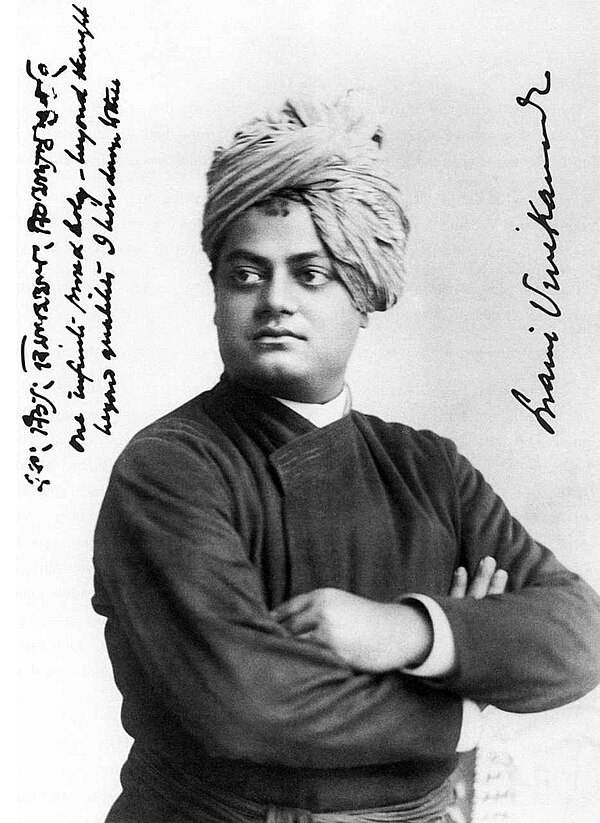
Swami Vivekananda's assertion that "the earth is enjoyed by heroes — this is the unfailing truth. Be a hero," invites us to reconsider our relationship with the world and our role within it. In this statement, he emphasizes the transformative power of courage and heroism, suggesting that true fulfillment and joy in life are reserved for those who dare to act boldly. This call to heroism is not merely a lofty ideal; it is a practical guide for navigating the complexities of existence, urging us to rise above mediocrity and embrace our potential.
In a world often overshadowed by fear and complacency, Vivekananda's words resonate with a profound urgency. They challenge us to step into our authentic selves, to confront the obstacles that hinder our growth, and to cultivate a spirit of bravery. The notion of heroism here transcends traditional definitions; it encompasses the courage to live fully, to engage with the world around us, and to contribute meaningfully to the collective human experience. This perspective invites us to reflect on what it truly means to be a hero in our everyday lives.
The image / the metaphor
The imagery in Vivekananda's quote evokes a vivid landscape where the earth is not merely a physical space but a realm of experience that is enriched by the presence of heroes. The term "enjoyed" suggests an active engagement with life, a celebration of existence that is accessible only to those who embody courage. The use of the word "heroes" conjures images of individuals who rise to challenges, who act with integrity and purpose, and who inspire others through their actions. This metaphorical landscape invites us to envision a world where joy is intertwined with bravery, where the act of living becomes a heroic endeavor.
Diving deeper into the metaphor, we find that heroism is not confined to grand gestures or epic battles; it resides in the everyday choices we make. To be a hero is to embrace vulnerability, to confront our fears, and to take risks in pursuit of our dreams. This understanding reframes our perception of heroism, suggesting that it is accessible to all of us, regardless of our circumstances. By embodying this spirit, we can transform our mundane experiences into opportunities for growth and connection, ultimately enriching our lives and the lives of those around us.
In the speaker's tradition
Swami Vivekananda's teachings are deeply rooted in the Hindu tradition, where concepts such as dharma (righteous duty) and bhakti (devotion) play pivotal roles in understanding the nature of heroism. In this context, being a hero is synonymous with fulfilling one's dharma, which calls for courage and commitment to the greater good. The idea of kenosis, or self-emptying, also resonates here, as true heroism often requires us to set aside our ego and personal desires in service of others. This selfless act of courage aligns with the spiritual journey toward enlightenment, where the individual transcends the self for the sake of the collective.
Moreover, Vivekananda's emphasis on heroism can be paralleled with the teachings found in the Bhagavad Gita, where Arjuna's struggle on the battlefield symbolizes the inner conflict faced by all individuals. The Gita teaches that true strength lies in the ability to act according to one's principles, even in the face of fear and uncertainty. This alignment with one's higher purpose is what ultimately leads to fulfillment and joy, echoing Vivekananda's assertion that the earth is enjoyed by those who embody the spirit of a hero.
Living the teaching
Consider a modern scenario where this teaching can be applied: a workplace environment fraught with challenges and competition. In such a setting, the call to be a hero may manifest as the courage to advocate for ethical practices, to support a colleague in need, or to take initiative on a project that aligns with one's values. By embodying the spirit of heroism, one can inspire others to do the same, creating a ripple effect that transforms the workplace culture into one of collaboration and integrity. This act of courage not only enhances personal fulfillment but also contributes to a more harmonious environment for all.
In a more personal context, the teaching can be applied within relationships. Imagine facing a difficult conversation with a loved one, where honesty and vulnerability are required. The call to be a hero in this situation might involve expressing one's true feelings, even at the risk of discomfort or conflict. By choosing to engage authentically, one not only honors their own truth but also opens the door for deeper connection and understanding. This courageous act can lead to healing and growth, reinforcing the idea that heroism is woven into the fabric of our daily interactions.
A reflection
As we contemplate Vivekananda's powerful words, we are invited to reflect on our own lives and the ways in which we can embody heroism. What does it mean for you to be a hero in your own journey? In what areas of your life can you summon the courage to act boldly, to embrace challenges, and to contribute to the greater good? This inquiry encourages us to explore the depths of our potential and to recognize that the earth, in all its beauty, is indeed enjoyed by those who dare to be heroes.




Join the BrightStar Community
Stay connected with daily inspiration, event announcements, and community wisdom