The Temple of Life: Embracing Growth Beyond Boundaries
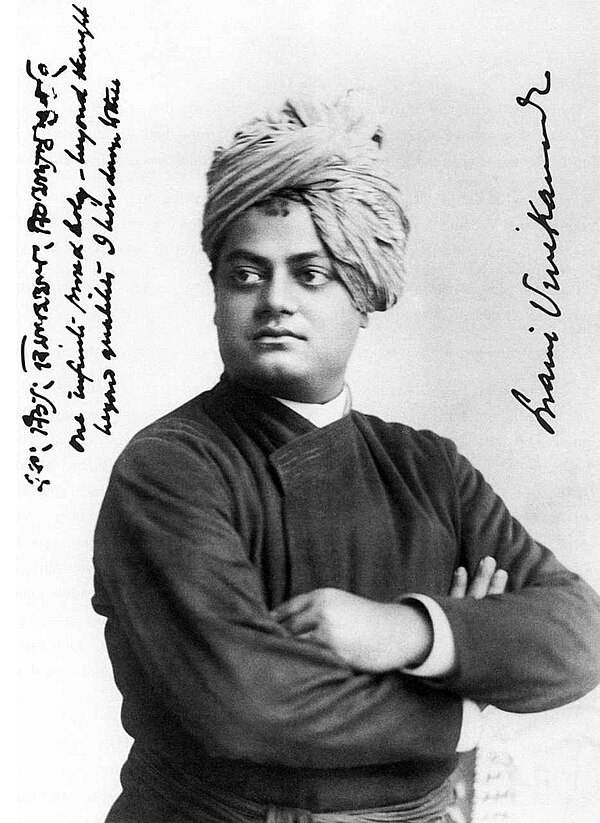
Swami Vivekananda's assertion, "It is good to be born in a temple, but it is bad to die there," invites us to reflect on the duality of spiritual beginnings and the necessity of growth. While being born in a temple symbolizes a privileged start in life, steeped in spiritual heritage and wisdom, the latter part of the quote warns against stagnation. This dichotomy speaks to the essence of human experience: the journey of life is not merely about where we begin but how we evolve and transcend the confines of our origins.
In a world that often values tradition and stability, Vivekananda's words challenge us to consider the importance of personal growth and freedom. The temple, a metaphor for safety and spiritual nourishment, can also become a cage if we cling too tightly to its walls. This teaching resonates deeply in our contemporary lives, where the balance between honoring our roots and seeking personal liberation is a delicate dance. It beckons us to explore how we can honor our beginnings while also daring to venture beyond them.
The image / the metaphor
The imagery in Vivekananda's quote evokes a rich tapestry of spiritual symbolism. A temple represents a sacred space, a place of worship, learning, and community. It is where one is nurtured in the teachings of the divine and the wisdom of the ages. However, the verb "die" introduces a stark contrast, suggesting that remaining within the confines of this sacred space can lead to a spiritual demise. The felt sense here is one of urgency; it implores us to recognize that life is dynamic and that true fulfillment lies in the journey of exploration and self-discovery.
Diving deeper into the metaphor, we can see that the temple is not merely a physical structure but a representation of our beliefs, values, and the comfort zones we create. To be "born" in a temple signifies an initial alignment with spiritual ideals, yet to "die" there implies a failure to evolve. This metaphor speaks to the human condition, where the fear of stepping outside familiar boundaries can stifle growth. It serves as a poignant reminder that while our origins shape us, they should not define the entirety of our existence.
In the speaker's tradition
Swami Vivekananda's teachings are deeply rooted in the Hindu tradition, which emphasizes the concepts of dharma (righteous duty), moksha (liberation), and the transformative journey of the self. The idea of being born in a temple aligns with the notion of dharma, where one is guided by spiritual principles. However, the warning against dying in that same temple resonates with the pursuit of moksha, which calls for transcending the limitations of the ego and the material world. This interplay between duty and liberation is central to Vivekananda's philosophy, urging individuals to seek a deeper understanding of their purpose beyond societal expectations.
In the context of Hindu texts, the Bhagavad Gita offers a parallel exploration of this theme. Arjuna, the warrior, is initially bound by his duty to his family and tradition, yet he ultimately learns that true fulfillment lies in selfless action and the pursuit of higher truths. This narrative encapsulates the essence of Vivekananda's message: while our beginnings may be sacred, our journey must lead us to a broader understanding of existence, one that transcends the confines of our initial conditioning.
Living the teaching
Consider a modern scenario where an individual grows up in a family steeped in spiritual practices, attending temple rituals and learning sacred texts. While this upbringing provides a strong foundation, the individual may find themselves feeling constrained by the expectations and traditions of their family. The teaching of Vivekananda encourages this person to honor their roots while also seeking their own path, perhaps exploring different philosophies or engaging in practices that resonate more authentically with their evolving self. This journey of self-discovery is vital for personal growth and fulfillment.
In relationships, this teaching can manifest in the need for open communication and growth. Imagine a couple who initially bonded over shared spiritual beliefs but later finds themselves feeling stifled by rigid expectations. By embracing Vivekananda's wisdom, they can navigate their relationship with a spirit of exploration, allowing each partner to grow individually while supporting one another's journeys. This dynamic fosters a deeper connection, rooted in mutual respect and the understanding that love, like life, is an evolving process.
A reflection
As we contemplate Swami Vivekananda's profound insight, we are invited to ask ourselves: In what ways have I allowed my origins to define my journey, and how can I embrace the freedom to grow beyond them? This question encourages a deep introspection, prompting us to consider the boundaries we may have unconsciously accepted and the possibilities that await us beyond those limits. It is through this reflection that we can begin to chart a path toward a more expansive and fulfilling existence.




Join the BrightStar Community
Stay connected with daily inspiration, event announcements, and community wisdom