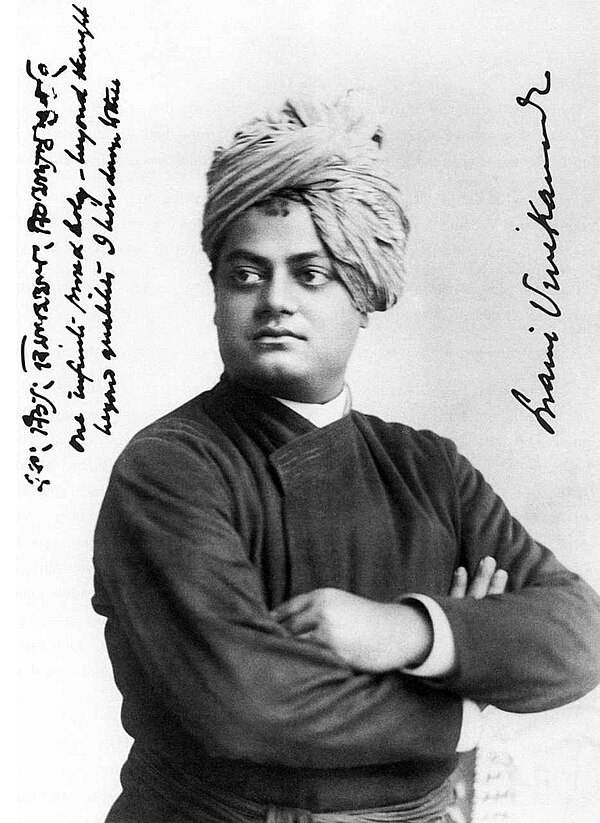
The Power of Self-Reliance in Community
Swami Vivekananda's assertion that "All the wealth of the world cannot help one little Indian village if the people are not taught to help themselves" speaks profoundly to the essence of self-reliance and communal responsibility. This statement underscores the idea that external resources, no matter how abundant, are futile without the internal strength and initiative of the individuals within a community. It invites us to reflect on the importance of empowerment and education as foundational elements for sustainable growth and development.
In a world often driven by materialism and the allure of wealth, Vivekananda's words serve as a poignant reminder that true progress arises from within. The emphasis on teaching individuals to help themselves highlights the transformative power of knowledge and self-sufficiency. This perspective challenges us to reconsider our approach to aid and development, urging us to foster environments where people are equipped to take charge of their own destinies rather than relying solely on external support.
The image / the metaphor
The imagery in Vivekananda's quote evokes a vivid picture of a village, a microcosm of society, where the potential for growth is stifled by dependency. The phrase "all the wealth of the world" suggests an abundance that is rendered meaningless in the absence of self-agency. The verbs "help" and "taught" imply an active process of learning and engagement, emphasizing that empowerment is not a passive gift but a skill to be cultivated. This imagery resonates deeply, as it encapsulates the struggle between external resources and internal capabilities.
In the speaker's tradition
Swami Vivekananda's teachings are deeply rooted in the Hindu tradition, where concepts such as dharma (righteous duty) and selfless service (seva) play pivotal roles. The notion of self-reliance aligns with the idea of dharma, which emphasizes the importance of individuals fulfilling their responsibilities to themselves and their communities. In this context, self-reliance is not merely a personal endeavor but a collective journey towards the greater good, reflecting the interconnectedness of all beings.
Furthermore, Vivekananda's emphasis on self-help resonates with the teachings found in the Bhagavad Gita, where the concept of karma yoga—action without attachment to results—encourages individuals to engage in their duties with a sense of purpose and commitment. This text illustrates that true fulfillment comes from acting in accordance with one's dharma, reinforcing the idea that external assistance is secondary to the inner strength and resolve that individuals cultivate through their actions.
Living the teaching
In contemporary society, the application of Vivekananda's teaching can be seen in various grassroots movements aimed at empowering marginalized communities. For instance, organizations that focus on vocational training and education exemplify this principle by equipping individuals with the skills necessary to improve their livelihoods. These initiatives embody the spirit of self-reliance, illustrating how teaching individuals to help themselves can lead to transformative change within entire communities.
On a more personal level, this teaching can manifest in our relationships and daily interactions. Consider a scenario where a friend is struggling with a challenge. Instead of offering immediate solutions, we might choose to guide them in exploring their own strengths and resources. This approach not only fosters their self-reliance but also deepens the bond of trust and respect between us. By encouraging others to tap into their potential, we embody Vivekananda's vision of empowerment, creating a ripple effect that extends beyond ourselves.
A reflection
As we contemplate Swami Vivekananda's profound insight, we are invited to ask ourselves: In what areas of my life am I relying too heavily on external support, and how can I cultivate a greater sense of self-reliance? This question encourages introspection and challenges us to recognize our own potential for growth and contribution. By embracing the spirit of self-help, we not only enhance our own lives but also inspire those around us to embark on their journeys of empowerment.




Join the BrightStar Community
Stay connected with daily inspiration, event announcements, and community wisdom