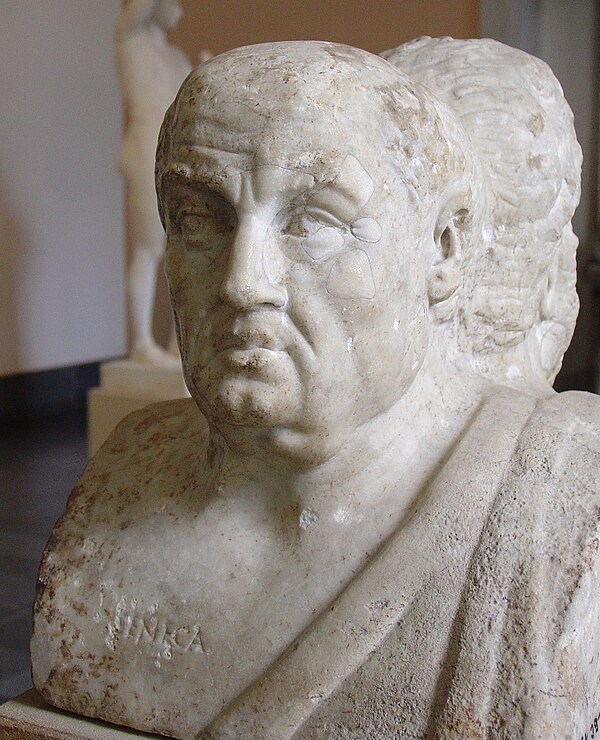
The Art of Present Joy: Seneca's Wisdom on Happiness
Seneca's assertion that "true happiness is to enjoy the present, without anxious dependence upon the future" invites us to reconsider our relationship with time and joy. In a world often dominated by the pursuit of future security and success, this quote serves as a gentle reminder of the importance of grounding ourselves in the present moment. The stakes are high; our tendency to defer happiness can lead to a life filled with anxiety and dissatisfaction, robbing us of the joy that is available to us right now.
In a culture that prizes ambition and future planning, Seneca's words resonate with a profound truth about human nature. He challenges us to recognize that the present moment is where life unfolds, and it is in this space that we can cultivate genuine contentment. By relinquishing our anxious grasp on the future, we open ourselves to the richness of the now, allowing happiness to blossom in our lives rather than remaining a distant goal.
The image / the metaphor
At the heart of Seneca's quote lies a vivid imagery of presence and release. The phrase "enjoy the present" evokes a sense of savoring life as it is, with all its imperfections and fleeting moments. The verbs "enjoy" and "depend" create a contrast between active engagement with the present and the passive anxiety that comes from fixating on what lies ahead. This tension highlights the emotional landscape we navigate daily, where joy can be overshadowed by the weight of future expectations.
Diving deeper into the metaphor, we can envision happiness as a garden that flourishes in the sunlight of the present. When we water it with mindfulness and appreciation, it thrives. However, when we focus solely on the seeds we wish to plant for tomorrow, we neglect the blooms that are already here. Seneca's wisdom encourages us to cultivate this garden of the present, nurturing our joy rather than allowing it to wither under the shadow of future uncertainties.
In the speaker's tradition
Seneca's insights are deeply rooted in Stoic philosophy, which emphasizes the importance of virtue, reason, and acceptance of the present moment. This aligns with the concept of *ataraxia*, a state of serene calmness that arises when we detach from the chaos of external circumstances and focus on our internal responses. In Stoicism, the cultivation of inner peace is paramount, and Seneca's call to enjoy the present echoes this pursuit of tranquility amidst life's inevitable uncertainties.
Moreover, this teaching resonates with the Buddhist concept of *sunyata*, or emptiness, which invites us to release our attachments to future outcomes. Just as Seneca urges us to find happiness in the now, Buddhism teaches that clinging to desires can lead to suffering. Both traditions encourage a profound acceptance of the present, recognizing that true fulfillment lies not in what we hope to achieve but in how we engage with the moment at hand.
Living the teaching
Consider a modern scenario where this teaching can take root: a professional striving for a promotion. In the relentless pursuit of career advancement, one might overlook the joy found in daily interactions with colleagues, the satisfaction of completing tasks, or the simple pleasure of learning new skills. By focusing solely on the future goal, the individual risks missing the richness of their current experience, which is where true happiness resides. Embracing Seneca's wisdom, they could shift their perspective, finding joy in the process rather than fixating on the end result.
This teaching can also be applied within relationships. Imagine a couple caught in the cycle of planning for future milestones—buying a house, starting a family—while neglecting to appreciate their shared moments. By consciously choosing to enjoy their time together, whether through simple conversations or shared activities, they can cultivate a deeper connection. Seneca's insight reminds us that happiness is not a destination but a practice, one that flourishes when we immerse ourselves in the present with our loved ones.
A reflection
As we contemplate Seneca's profound assertion, we are invited to reflect on our own lives: How often do we sacrifice the joy of the present for the anxiety of what is yet to come? This question encourages us to examine our habits and thought patterns, inviting a deeper awareness of how we engage with time. In recognizing the beauty of the present moment, we can begin to cultivate a more profound sense of peace and contentment in our lives.



Join the BrightStar Community
Stay connected with daily inspiration, event announcements, and community wisdom