Harmonizing the Heart: The Transformative Power of Song
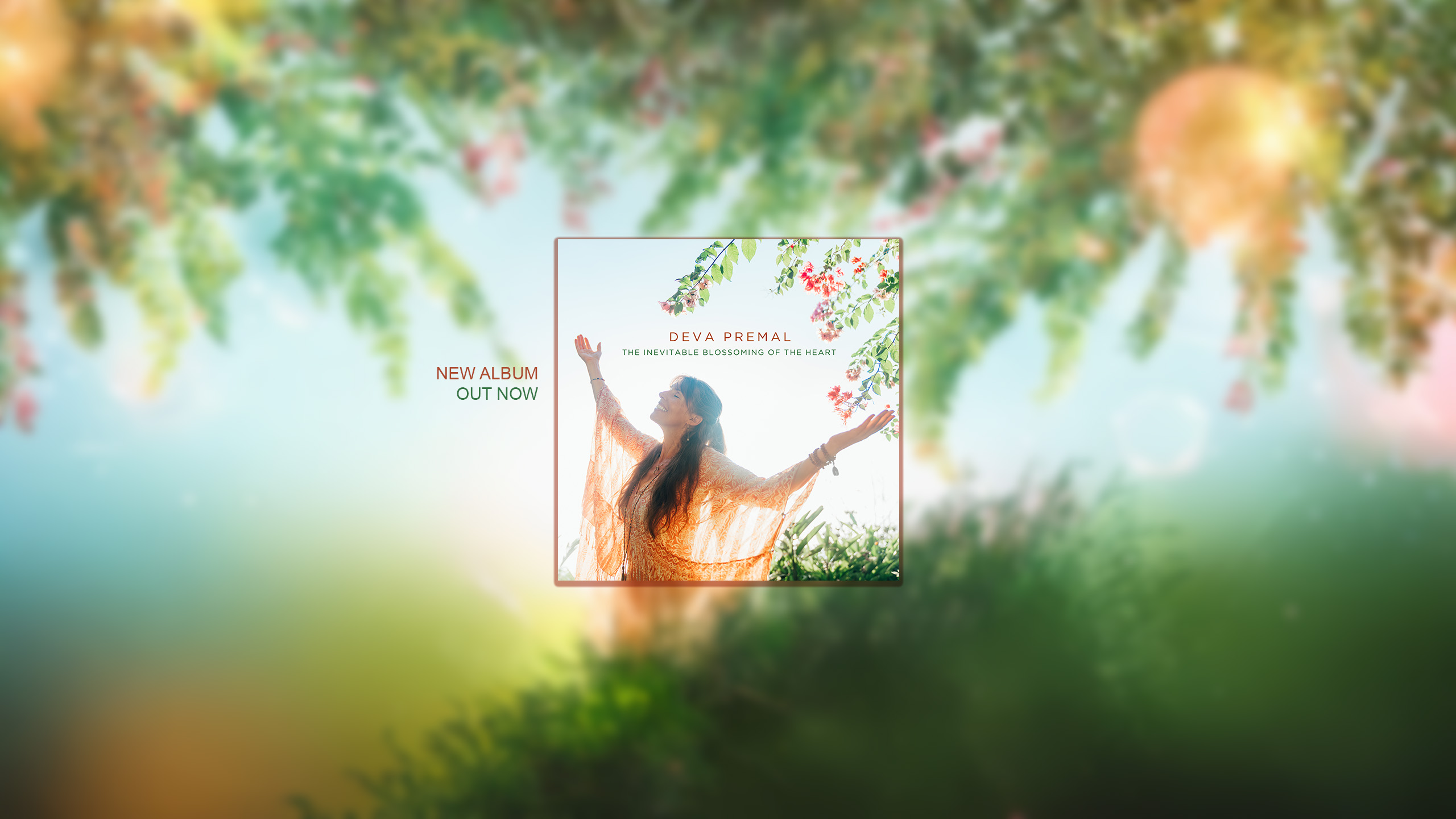
Deva Premal's assertion, "You can sing yourself into love," invites us to explore the profound connection between sound, emotion, and transformation. This statement suggests that through the act of singing, we can cultivate a deeper experience of love within ourselves and in our relationships. The stakes are high; in a world often marked by disconnection and isolation, the ability to invoke love through song offers a pathway to healing and unity.
To sing oneself into love is not merely a poetic notion but a call to engage with the vibrational essence of our being. Singing, especially in the context of mantra-yoga, becomes a sacred act that transcends mere expression. It is an invitation to immerse ourselves in the frequencies of love, allowing them to resonate within us and transform our inner landscape. This exploration of sound as a vehicle for love is essential in understanding how we can navigate our emotional lives and foster deeper connections with others.
The image / the metaphor
The imagery in Premal's quote evokes a sense of movement and transformation. To "sing" implies an active engagement, a deliberate choice to express oneself through sound. The verb "sing" carries with it a lightness, a buoyancy that suggests liberation from the confines of silence or despair. The phrase "into love" indicates a journey, a transition from one state of being to another, where love is not just an emotion but a destination that we can actively reach through our voices.
In the speaker's tradition
Deva Premal's teachings are deeply rooted in the tradition of mantra-yoga, which emphasizes the power of sound and vibration in spiritual practice. In this context, the act of singing is not merely an artistic expression but a form of devotion, or bhakti. This devotion is characterized by a surrendering of the self, akin to the concept of kenosis, where one empties oneself to be filled with divine love. Through the practice of mantra, practitioners cultivate a state of awareness that allows them to experience love in its purest form.
In the sacred texts associated with mantra-yoga, such as the Bhagavad Gita, we find references to the transformative power of sound. The Gita speaks of the importance of aligning one's actions with dharma, or righteous duty, which can be seen as a form of singing one's life into harmony with the universe. Just as the Gita encourages us to act with love and intention, Premal's quote invites us to express that love through the medium of song, creating a resonance that can uplift not only ourselves but also those around us.
Living the teaching
Consider a modern scenario where this teaching can be applied: a community gathering where individuals come together to share their stories and experiences through song. In such a space, participants may find themselves singing not only for joy but also for healing, expressing their vulnerabilities and triumphs. As they harmonize their voices, they create a collective energy that fosters connection and understanding, illustrating how singing can indeed lead to a deeper experience of love within a community.
In a more personal context, imagine a moment of conflict in a relationship. Instead of allowing anger or frustration to dominate the interaction, one partner might choose to express their feelings through a song that encapsulates their emotions. This act of vulnerability can soften the heart of the other, opening a pathway for dialogue and reconciliation. By singing their truth, they not only honor their own feelings but also invite their partner into a shared experience of love and understanding, demonstrating the transformative power of song in everyday life.
A reflection
As we contemplate Deva Premal's assertion, we are invited to consider the ways in which we can incorporate singing into our lives as a practice of love. How might we use our voices to express our deepest emotions and connect with others? In what ways can we transform our experiences of isolation or disconnection into opportunities for harmony and unity through song? Reflecting on these questions can lead us to a deeper understanding of ourselves and our relationships, illuminating the path toward love.






Join the BrightStar Community
Stay connected with daily inspiration, event announcements, and community wisdom